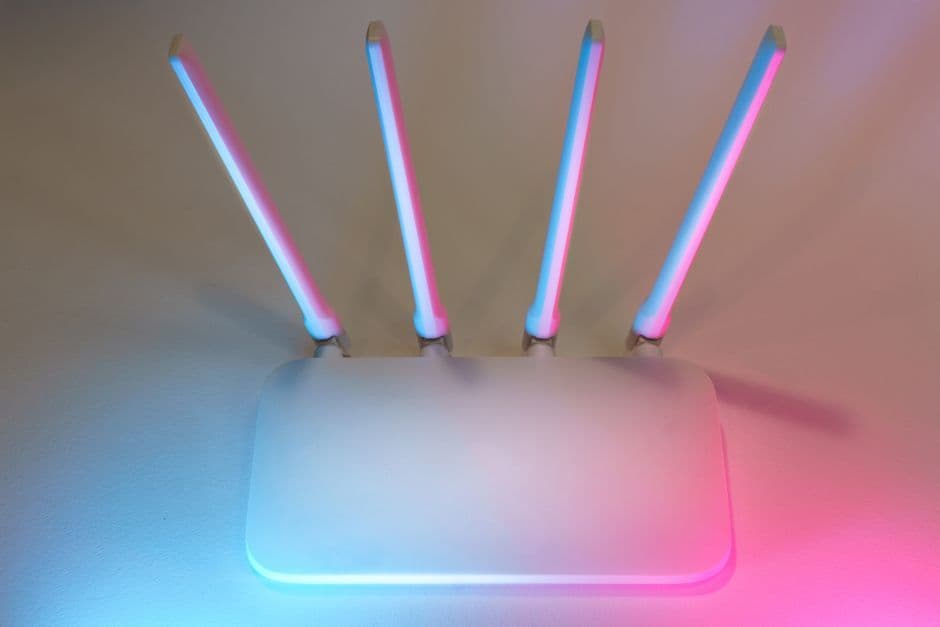
The Core of Your Digital Life in Nepal
Connectivity defines our daily lives. From students attending virtual classes through TU or IOE portals to professionals managing Meroshare transactions or video conferences with clients abroad, a reliable internet connection is non-negotiable. But your internet speed is only as good as the router distributing it. A subpar router creates frustrating bottlenecks, regardless of your ISP's promised gigabit speeds. As of late 2026, the tech landscape demands more intelligent, faster, and more secure wireless networking than ever.
Why Your Router is More Critical Than Ever Before
Devices multiply. Smart TVs stream 4K content, cloud gaming consoles demand ultra-low latency, and every member of the family has multiple gadgets vying for bandwidth. Smart home ecosystems, from security cameras to automated lighting, continuously connect. Nepali businesses, from small startups to established enterprises, rely on robust networks for cloud applications, VoIP, and data transfers. Older WiFi 5 (802.11ac) routers simply can't keep up with the data tsunami. WiFi 6E and the increasingly mainstream WiFi 7 standards are now the benchmarks for performance and efficiency.
Essential Features for a 2026-Ready Router
Don't buy blindly. Investing in a future-proof router means understanding crucial specifications. Look beyond just the brand name.
**WiFi 7 (802.11be) or WiFi 6E (802.11ax) Standard:** WiFi 7, also known as 'Extremely High Throughput (EHT)', builds significantly on WiFi 6E. It leverages the 6GHz band even more efficiently with features like Multi-Link Operation (MLO) and wider 320MHz channels. If budget allows, WiFi 7 offers the longest shelf-life. WiFi 6E, with its dedicated 6GHz band, still delivers excellent performance by avoiding congestion on the crowded 2.4GHz and 5GHz bands. Always prioritize a tri-band router for the best experience across all your devices.
**Multi-Gigabit Ethernet Ports:** With ISPs like WorldLink and Subisu now commonly offering 500Mbps to 1Gbps+ plans in major Nepali cities, your router needs at least one 2.5 Gigabit (2.5G) WAN port to fully utilize that speed. Ideally, look for multiple 2.5G or even 10G LAN ports for your high-speed wired devices like a Network Attached Storage (NAS) server or gaming PCs.
**Mesh WiFi Capability:** For larger homes, multi-story offices, or spaces with thick concrete walls, a single router struggles. Mesh systems use multiple units to create a unified, strong WiFi signal throughout the entire area, eliminating dead zones effectively. This is far superior to relying on simple range extenders.
**Advanced Security (WPA3):** Cyber threats are constant. Ensure your router supports WPA3 encryption for robust network security. Features like guest networks, parental controls, and built-in firewalls add extra layers of protection for your data and family.
**Powerful Processor & Ample RAM:** The router's internal hardware dictates its ability to handle multiple simultaneous connections, process security features, and manage high data loads without slowdowns. Cheaper routers often skimp here, leading to frustration.
**USB 3.0 Ports:** These are convenient for setting up basic network-attached storage (NAS) or sharing a printer across your network, turning your router into a small media or print server.
Top Picks for Nepali Homes in 2026
Home users need a blend of ease-of-use, reliable coverage, and sufficient speed for all devices. Look for user-friendly interfaces and robust app control.
**For the Everyday User (Budget-friendly WiFi 6/6E):** Brands like TP-Link Archer series (e.g., successors to AX72 or AXE75 models) or D-Link DIR-X series (next-generation models) offer excellent value. Expect solid WiFi 6 or entry-level WiFi 6E performance with good coverage for apartments or smaller homes. These typically range from NPR 8,000 to NPR 18,000. They are perfect for families with 10-15 connected devices and up to 300Mbps internet plans from local providers.
**For Power Users & Smart Homes (Mid-range WiFi 6E/Early WiFi 7 Mesh):** Consider advanced mesh systems from Eero Pro (latest generation) or Google Nest WiFi Pro (current WiFi 6E models, likely with WiFi 7 variants by 2026). ASUS ZenWiFi series also provides strong mesh options with excellent features. These deliver superior coverage, handle 20-40 devices effortlessly, and excel with 500Mbps to 1Gbps connections. Prices generally range from NPR 25,000 to NPR 55,000 for a two-pack system.
**The Ultimate Home Setup (Premium WiFi 7):** For those demanding cutting-edge performance and truly future-proofing their network, dedicated WiFi 7 routers from ASUS (ROG Rapture series) or Netgear Nighthawk (latest models) are the top tier. These are designed for multi-gigabit internet plans, extensive smart home ecosystems, and serious gaming or media production. Be prepared for a significant investment, starting from NPR 45,000 and climbing well above NPR 80,000 for top-end models.
Business-Grade Routers for Nepali Offices
Office environments demand unwavering reliability, advanced security, and scalability. Downtime translates directly to lost productivity.
**Small to Medium Businesses (SMBs):** Ubiquiti UniFi series is a strong contender. Solutions like the UniFi Dream Router (UDR) combined with UniFi Access Points (e.g., U6-Pro or U7-Pro if available) offer centralized management, VLAN support, and robust security features crucial for segregating departments or guest networks. MikroTik's hAP series, particularly their more powerful models, also provides deep configuration options for technically savvy users or small IT teams in Nepal. Expect costs from NPR 30,000 for a basic setup to NPR 100,000+ for comprehensive UniFi deployments with multiple APs.
**Growing Enterprises:** For larger offices requiring extensive control and high user density, the TP-Link Omada ecosystem (with an Omada controller like OC300 and multiple EAP series access points) offers excellent scalability and performance at a competitive price point. These systems provide features like captive portals, advanced QoS, and seamless roaming. High-end Netgear Orbi Pro or ASUS ExpertWiFi series are also viable, offering pro-grade mesh performance. Pricing varies greatly based on scale, often NPR 80,000 to several lakhs.
Optimizing Your Router's Performance in Nepal
A great router is just the start. Proper setup unlocks its full potential and ensures you get the most out of your investment.
**Strategic Placement:** Centralize your router. Avoid placing it in corners, near large metal objects, or behind thick concrete walls common in many Nepali buildings. Elevate it if possible to reduce signal obstruction.
**Regular Firmware Updates:** Always keep your router's firmware updated. Manufacturers frequently release patches for security vulnerabilities and performance improvements. This is a simple but critical step.
**Strong Passwords & WPA3:** Ditch default passwords immediately. Use a unique, complex password for your admin login and enable WPA3 encryption for your WiFi network. Never reuse old passwords.
**Channel Optimization:** If you experience interference or slow speeds, especially in densely populated areas, try changing your 2.4GHz and 5GHz channels to less congested ones via your router's settings. Free WiFi analyzer apps can help identify optimal channels.
**Prioritize Critical Devices (QoS):** Many modern routers offer Quality of Service (QoS) settings. This allows you to prioritize bandwidth for critical applications like video calls or specific devices, ensuring smooth operation even when your network is busy.
Where to Purchase and Local Pricing in Nepal (2026)
You have several options for acquiring these advanced routers in Nepal. Knowing where to look and what to expect financially helps in planning your purchase.
**Local IT Hubs:** Major IT hardware stores in areas like Putalisadak, New Road, and nearby districts remain primary sources. Reputable dealers often carry brands like TP-Link, D-Link, ASUS, Netgear, and Ubiquiti. You can often get hands-on advice here.
**Online Marketplaces:** Daraz.com.np continues to be a convenient platform for many. Always verify seller ratings and ensure products come with a valid local warranty from an authorized distributor.
**ISP Bundles:** Some Nepali ISPs might offer router upgrades or bundle higher-end models with their faster internet plans. Always compare their offers against standalone purchases to ensure you're getting the best value.
**Price Range Estimates (as of October 2026):** These are approximate figures and can fluctuate based on promotions, specific models, and market demand.
- **Entry-Level WiFi 6/6E:** NPR 8,000 - 18,000
- **Mid-Range WiFi 6E / Basic WiFi 7 Mesh:** NPR 25,000 - 55,000
- **Premium WiFi 7 / Business-Grade Mesh/Controller Systems:** NPR 45,000 - 120,000+ (depending on scalability and number of access points).
Always inquire about warranty, after-sales support, and compatibility with local fiber optic modems (ONTs) provided by your ISP. Check if the quoted price includes VAT.
Key Takeaways
- **Future-Proof with WiFi 6E or WiFi 7:** Don't settle for older standards; invest in the latest for longevity and performance.
- **Consider Multi-Gigabit Ports:** Essential for maximizing high-speed internet plans now common across Nepal.
- **Mesh for Coverage:** For larger spaces, mesh systems are superior to simple range extenders in providing consistent, strong signals.
- **Security is Paramount:** WPA3, strong passwords, and regular firmware updates are non-negotiable for protecting your network.
- **Match to Your Needs:** Home users prioritize ease and coverage; offices demand reliability, advanced management, and scalability.
- **Buy Local, Check Warranty:** Ensure support for your investment within Nepal for peace of mind.
Final Thoughts
Choosing the right WiFi router is a strategic decision for your home or office in Nepal. It directly impacts productivity, entertainment, and overall digital convenience. Don't view it as just another piece of hardware; it's the central nervous system of your network. By focusing on the latest standards, understanding your specific needs, and considering local market realities, you can make an informed choice that keeps you connected and thriving well into the future. Invest wisely, and experience the difference a truly capable router makes.