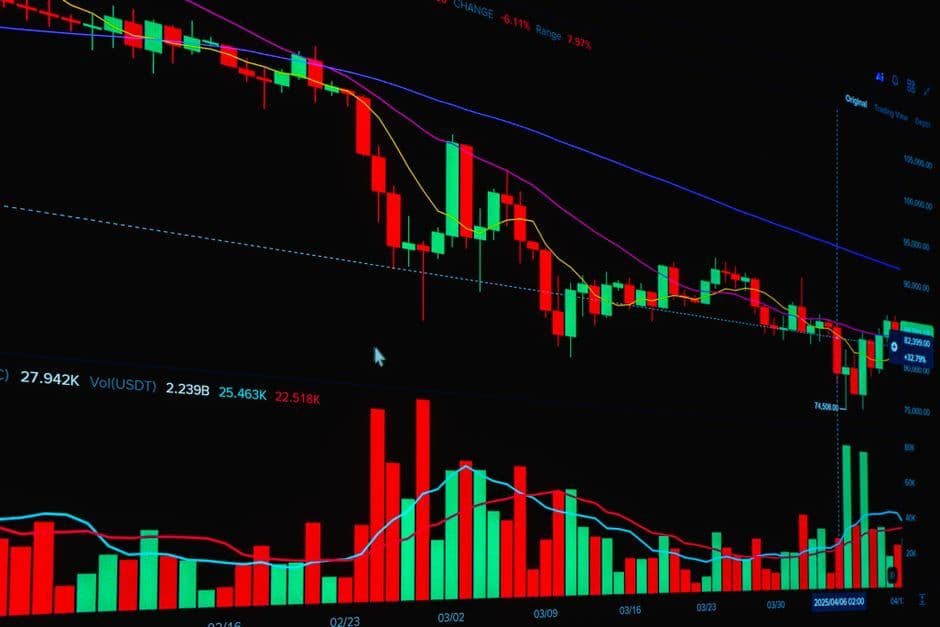
Navigating NEPSE: Why Sectoral Indices Matter
For any serious investor on the Nepal Stock Exchange (NEPSE), understanding sectoral indices is non-negotiable. These indices offer a snapshot of how specific industries perform, providing crucial context beyond the overall NEPSE index. They reflect collective sentiment, regulatory impacts, and the economic realities faced by companies within that particular segment. As November 2026 progresses, two sectors consistently draw significant investor attention and debate: Hydropower and Microfinance. Each presents a distinct risk-reward profile, shaped by their operational models and the broader economic landscape.
The Hydropower Sector: Powering Nepal's Future
Nepal's hydropower sector remains a cornerstone of its economic development and a significant portion of NEPSE's market capitalization. These companies are capital-intensive, requiring substantial upfront investment and long gestation periods before projects come online. Currently, the sector sees ongoing project development, with several medium-to-large-scale projects nearing completion or recently commencing commercial operations. Power Purchase Agreements (PPAs) with the Nepal Electricity Authority (NEA) dictate revenue streams, often making these investments appear stable in the long run. Investors should scrutinize current PPA rates and any discussions around their revision, as these directly impact profitability. Recent fiscal year 2025/26 financial results indicate a mixed bag, with established players showing steady dividends while newer projects navigate initial operational hurdles and debt servicing commitments.
However, the hydropower sector isn't without its challenges. Project delays, often due to land acquisition issues, environmental clearances, or supply chain disruptions, can significantly impact projected returns. Interest rate fluctuations from commercial banks, which fund a substantial portion of these projects, also play a critical role. While demand for electricity within Nepal continues its upward trend, the capacity to export surplus power remains a long-term aspiration, subject to regional agreements and robust transmission infrastructure.
The Microfinance Sector: Financial Inclusion at the Grassroots
Microfinance institutions (MFIs) on NEPSE play a vital role in extending financial services to unbanked and underserved populations, particularly in rural Nepal. Their business model revolves around small loans, often to groups, fostering entrepreneurship and self-employment. The sector has witnessed rapid expansion in reach and borrower base over the past decade. As of late 2026, competition among MFIs has intensified, leading to thinner margins in some pockets, despite robust demand for credit.
Regulatory oversight from Nepal Rastra Bank (NRB) and SEBON is robust, with continuous efforts to ensure financial stability and protect borrowers. Recent NRB directives focused on strengthening governance and managing Non-Performing Loans (NPLs) have prompted some MFIs to enhance their recovery mechanisms and tighten lending policies. Investors monitoring this sector should pay close attention to NPL ratios, interest rate spreads, and operational efficiency. Consolidation through mergers and acquisitions is a continuing trend, driven partly by the need to meet revised capital requirements and achieve economies of scale, impacting the total number of listed entities.
Hydropower vs. Microfinance: A Direct Comparison for 2026
When comparing these two, their fundamental differences become clear. Hydropower stocks often offer long-term stability and potentially predictable dividends from mature projects. Their returns are generally tied to project completion, power generation, and PPA rates. The sector can be less susceptible to short-term economic downturns affecting individual borrower capacity, but faces large-scale project risks and policy shifts. Share prices can be heavily influenced by news of new project developments or government energy policies.
Microfinance, conversely, offers exposure to a high-growth segment with strong social impact. While individual loan sizes are small, the sheer volume and higher interest margins can drive significant revenue. However, the sector is more susceptible to credit risk, especially during economic slowdowns or local disturbances impacting borrowers' livelihoods. Volatility can be higher due to competition, NPL spikes, and frequent regulatory adjustments. The potential for rapid capital appreciation exists, but so does the risk of sharp declines if loan recovery falters or regulatory pressure intensifies.
Key Investment Considerations for Nepali Investors
Choosing between or investing in both sectors requires careful thought. Investors seeking relatively stable income and long-term capital appreciation from physical assets might lean towards established hydropower companies. Those comfortable with higher risk for potentially quicker, albeit more volatile, growth could find microfinance appealing, particularly institutions with strong governance and diversified loan portfolios.
Always conduct thorough due diligence. Examine financial reports – paying attention to Earnings Per Share (EPS), Price-to-Earnings (P/E) ratios, and book value. For hydropower, analyze project status, PPA details, and debt levels. For microfinance, scrutinize NPLs, capital adequacy, and management quality. Remember, Meroshare provides accessible platforms for applying for public issues and tracking your portfolio. Diversification across sectors and within each sector is a sound strategy to mitigate risk.
Key Takeaways
- **Hydropower:** Capital-intensive, long gestation, stable (for mature projects), dependent on PPA rates and project execution. Faces large-scale regulatory and project risks.
- **Microfinance:** High growth potential, focus on financial inclusion, susceptible to credit risk and intense competition. Offers exposure to grassroots economic activity.
- **Risk Profiles:** Hydropower faces macro-level risks (policy, environment); Microfinance faces micro-level risks (borrower default, local competition).
- **Investor Choice:** Aligns with individual risk appetite and investment horizon. Stability vs. growth potential.
Final Thoughts
Both the Hydropower and Microfinance sectors are integral to Nepal's economic fabric and offer unique investment propositions on NEPSE as of November 2026. Rather than viewing them as mutually exclusive, consider how they might complement each other within a diversified portfolio. The key remains continuous research, understanding the evolving regulatory landscape, and aligning investments with your personal financial goals. Informed decisions are the bedrock of successful investing in Nepal's dynamic stock market.